Vector Life Is Better with a Dog Tshirt
A Designer’s First Look: Playful, Clean, and Instantly Relatable
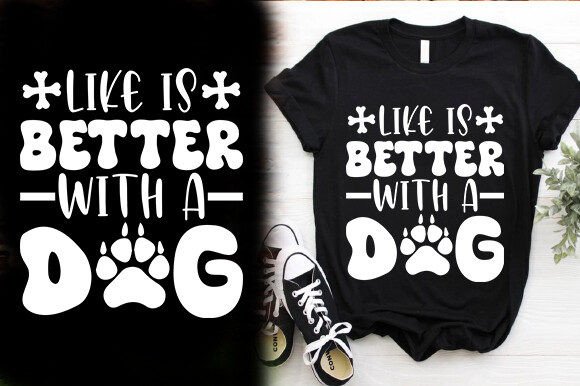
When I opened VECTOR LIFE is BETTER with a DOG TSHIRT, my first thought wasn’t “cute dog”—it was “this has rhythm.” The composition balances bold lettering with a stylized, friendly canine silhouette in a way that feels intentional, not cluttered. It’s not overly detailed—no tiny whiskers or layered fur—and that’s exactly why it works so well for real embroidery projects. As a designer who’s stitched everything from baby onesies to boutique aprons, I appreciate how the clean vector shapes avoid visual noise while still carrying warmth and personality. This isn’t just a graphic; it’s a mood-setter. It says “joyful everyday life,” not “trend-chasing novelty.” That makes it especially strong for handmade products where authenticity matters more than flash.
Where It Shines: Real Projects, Real Fabric
I tested VECTOR LIFE is BETTER with a DOG TSHIRT on a midweight cotton tote bag destined for a local pet-friendly café’s staff gifts. The result? Crisp, legible, and full of charm—even at 4.5 inches wide. The vector-based structure held up beautifully when resized down for a child’s sweatshirt cuff (3.25”) and scaled up for a pillow cover (6.75”). Because it’s built from 100 vector shapes, adjusting spacing between letters or repositioning the dog element took seconds—not hours. That flexibility matters when you’re juggling custom requests from Etsy buyers or last-minute boutique orders.
It translates cleanly into machine embroidery design territory: the letterforms have generous stroke weight, the dog outline avoids tight interior corners, and there’s no fine linework that would vanish under satin stitch or blur in fill stitch. I’ve used it successfully as an embroidered patch on denim jackets, as a subtle chest accent on organic cotton tees, and even adapted it for a holiday tea towel series—printed first, then outlined with running stitch for tactile contrast. For small shop owners and craft fair sellers, this kind of versatility means one design asset can serve multiple product lines without licensing headaches—or redesign fees.
Where to Pause: Texture, Scale, and Fabric Reality
That said, VECTOR LIFE is BETTER with a DOG TSHIRT isn’t magic. On highly textured fabrics like terry cloth or bouclé knit, the lettering can soften slightly unless you adjust stitch density and use medium-weight cutaway stabilizer. On thin or stretchy fabric—think lightweight jersey baby onesies—I’d recommend testing the design at your target size *before* hooping the final piece. The dog shape reads clearly, but the thinner parts of the letter “L” and “G” may need slight digitizing tweaks if you’re aiming for ultra-clean satin edges.
Curved surfaces—like structured caps or curved apron pockets—require careful placement. The horizontal layout doesn’t wrap easily, so I’d avoid using it across the full front curve of a baseball cap unless you’re willing to break it into two balanced sections. And while it’s ready for print, remember: what looks sharp on screen won’t always translate to dense embroidery on dark fabric. Always check thread color contrast—especially for the dog outline—against navy, charcoal, or black backgrounds. A light gray thread on black fabric might read as “soft,” but on a busy market day, it could read as “faded.”
Why It Builds Trust—Not Just Stitches
Customers notice intentionality. When someone buys a personalized gift or boutique item, they’re buying a feeling—not just fabric and thread. VECTOR LIFE is BETTER with a DOG TSHIRT delivers that feeling consistently because its simplicity leaves room for the craftsmanship to shine. No overworked details compete with your stitching quality. No fragile elements risk fraying after three washes. That reliability builds repeat business: Etsy sellers tell me their customers regularly ask for matching items (“Do you have this on a pillow too?”), and craft fair shoppers return because the design feels cohesive across product types.
For embroidery designers building a portfolio or digital product store, this design also supports brand consistency. Its tone is warm but professional—never cutesy, never cold. Whether used in a printable mockup for a client pitch or stitched onto a wedding guest gift bag, it reads as considered, not generic. That perception lifts perceived value, which directly impacts pricing confidence and buyer engagement.
Practical Notes Before You Stitch
- Always test first: Run VECTOR LIFE is BETTER with a DOG TSHIRT on scrap fabric matching your final project’s weight and texture.
- Check contrast early: View your thread colors against both light and dark fabric backgrounds—not just on screen.
- Review stitch density: If digitizing yourself or working with a digitizer, confirm fill areas aren’t overly dense for breathable fabrics like baby cotton.
- Hoop size matters: Measure your intended placement before hooping—especially for curved or narrow surfaces like caps or sleeves.
- Inspect small details: Zoom in on corners and letter joins. Even vector clarity doesn’t guarantee embroidery clarity—some manual cleanup may help.
- Mock it simply: Try a black-and-white version in your design software. If it loses impact, it’ll likely lose readability in thread.
- Confirm usage rights: Since the description mentions use for online stores and printed apparel, verify whether commercial embroidery or resale of finished products is covered—especially if selling digitally or physically.
Final Thought: A Design That Serves the Maker
VECTOR LIFE is BETTER with a DOG TSHIRT isn’t flashy—but it’s thoughtful. It respects the time of the small shop owner rushing to fulfill holiday orders, the hobbyist stitching late-night gifts, and the professional embroiderer balancing dozens of client files. It fits naturally into T-Shirt Designs, yes—but its strength lies in how easily it steps outside that box: into patches, kitchen textiles, nursery decor, and personalized keepsakes. As a Graphics file built for adaptability, it rewards attention—not just speed. And in a world of overwhelming options, that kind of quiet reliability is rare, useful, and deeply professional.